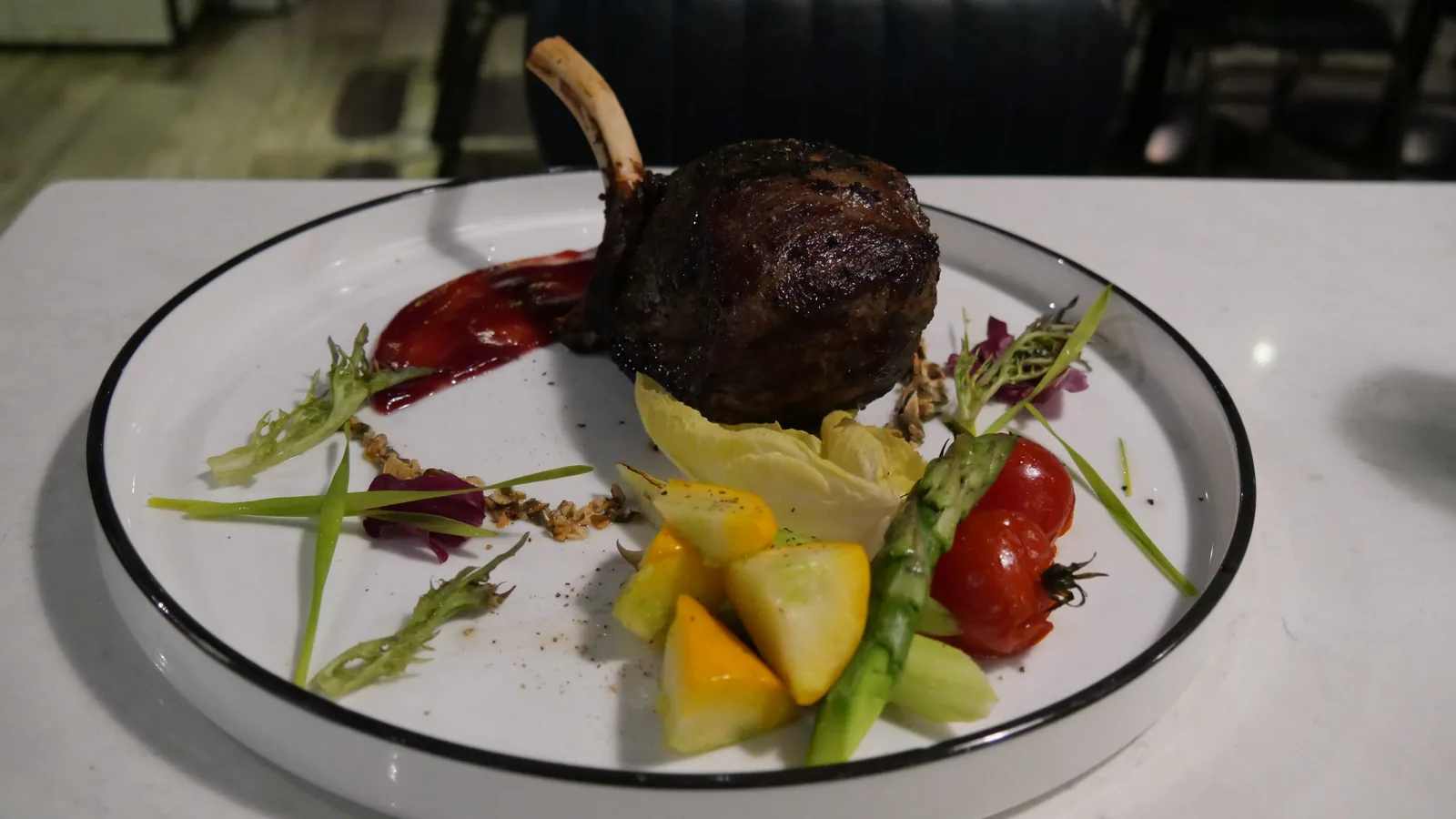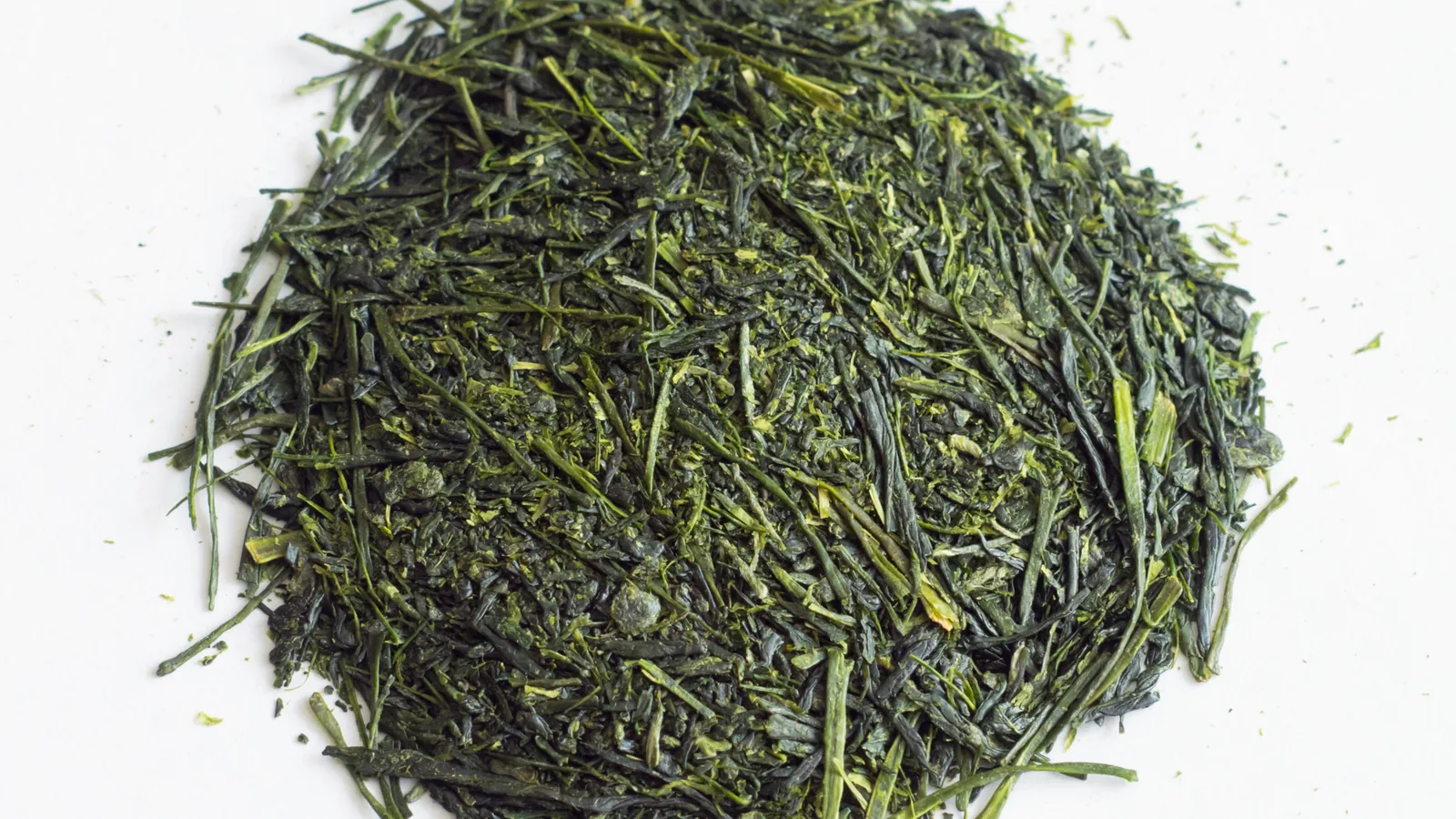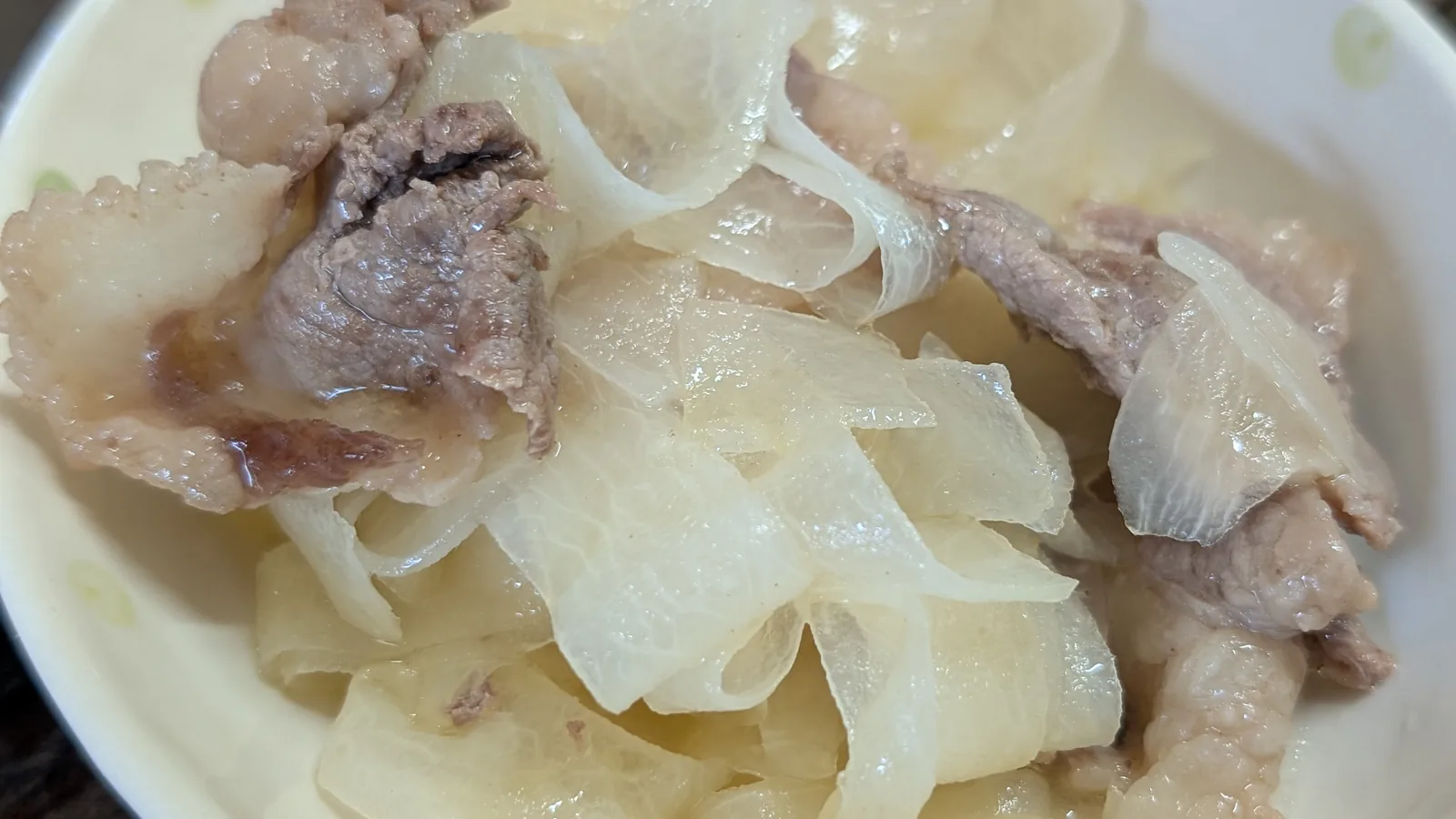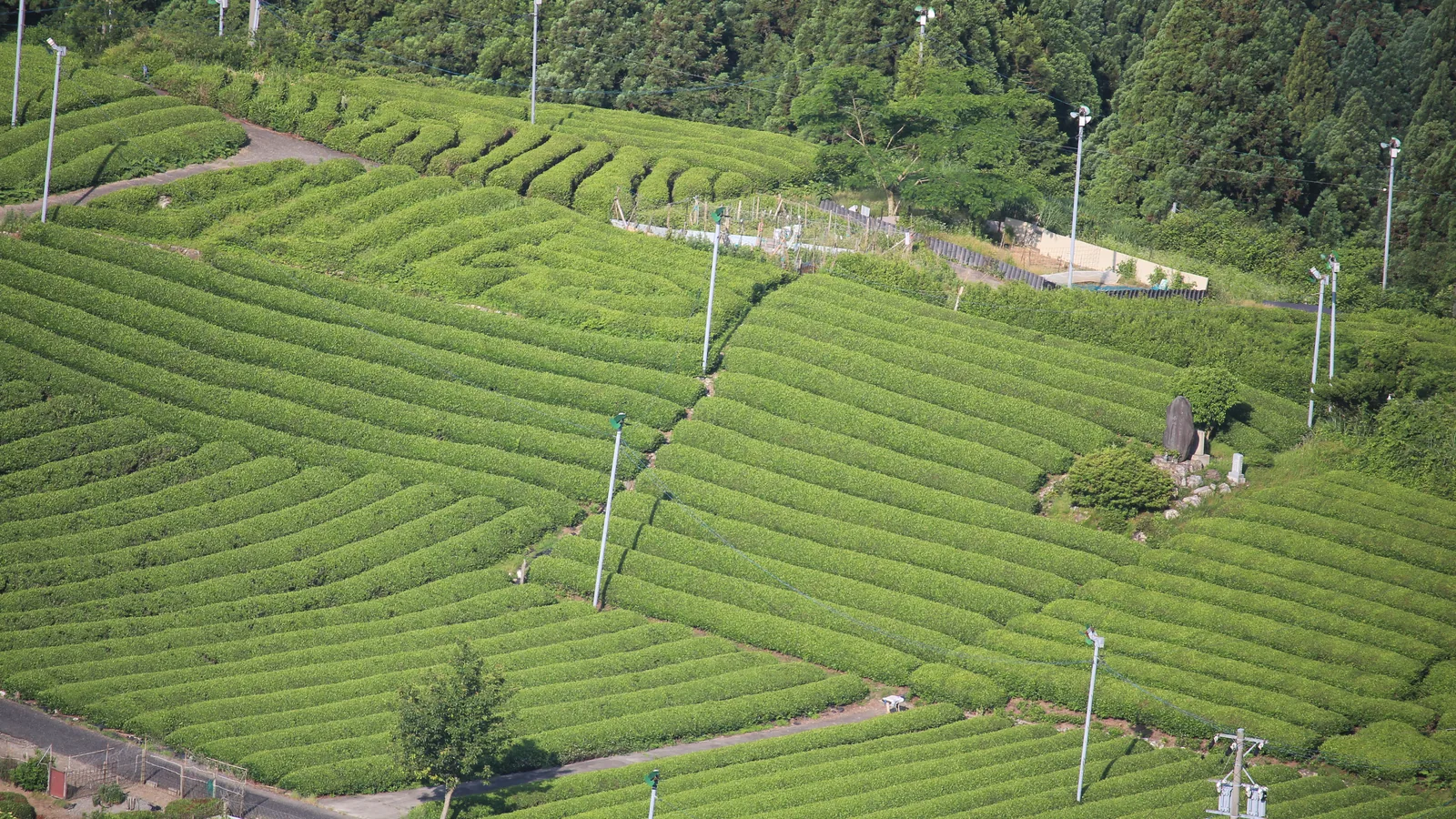
Gibier handling training
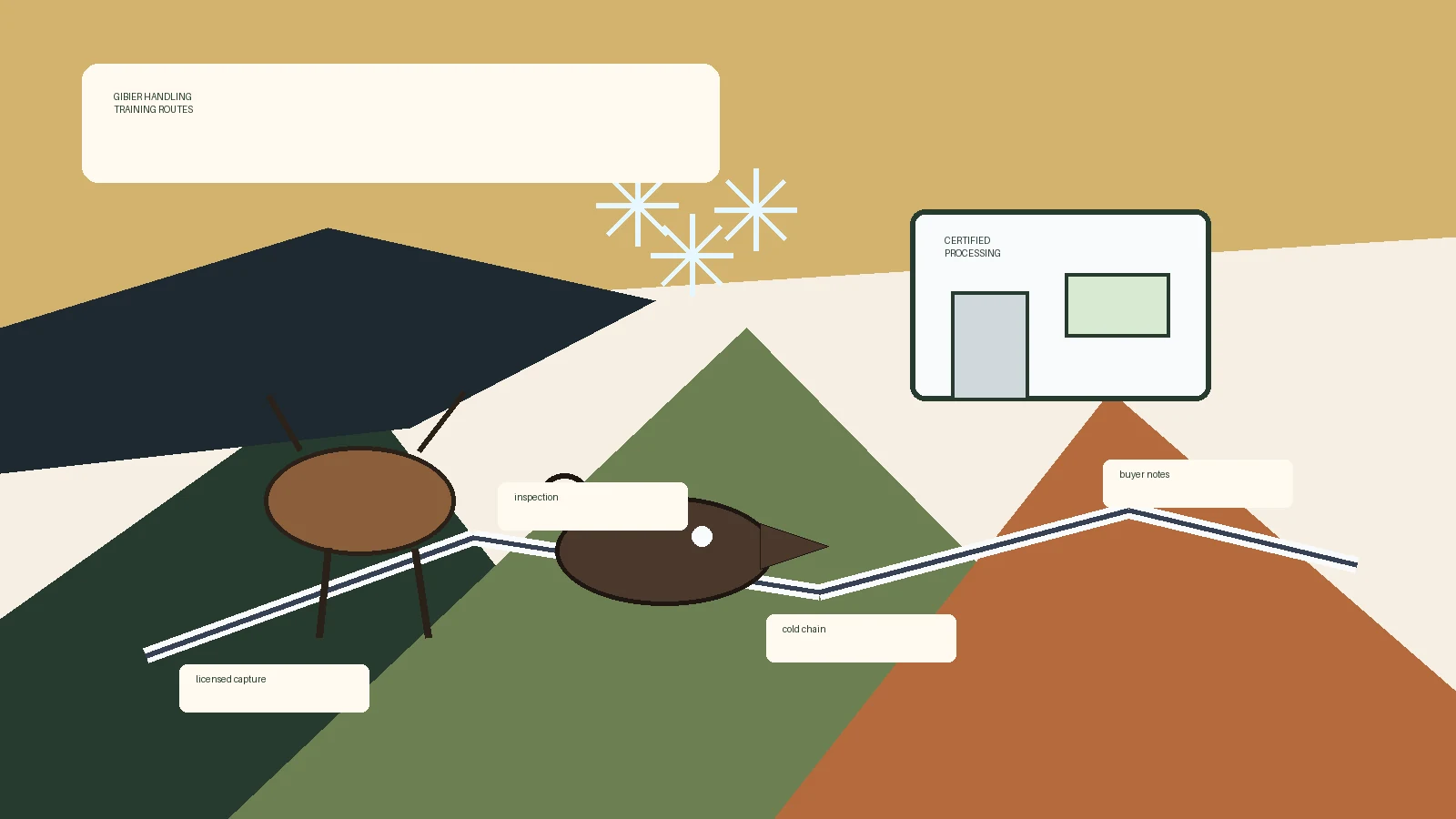
MAFF’s current Gibier Partnership Forum listings point to the practical layer Japan needs: certified facilities, field handling, hygiene training, cold chain, records, and buyer transparency.
Read articleBlog
Short articles on Japanese regional foods, restaurant sourcing, producer fit, menu language, and the work between finding an ingredient and serving it again.

MAFF’s current Gibier Partnership Forum listings point to the practical layer Japan needs: certified facilities, field handling, hygiene training, cold chain, records, and buyer transparency.
Read article
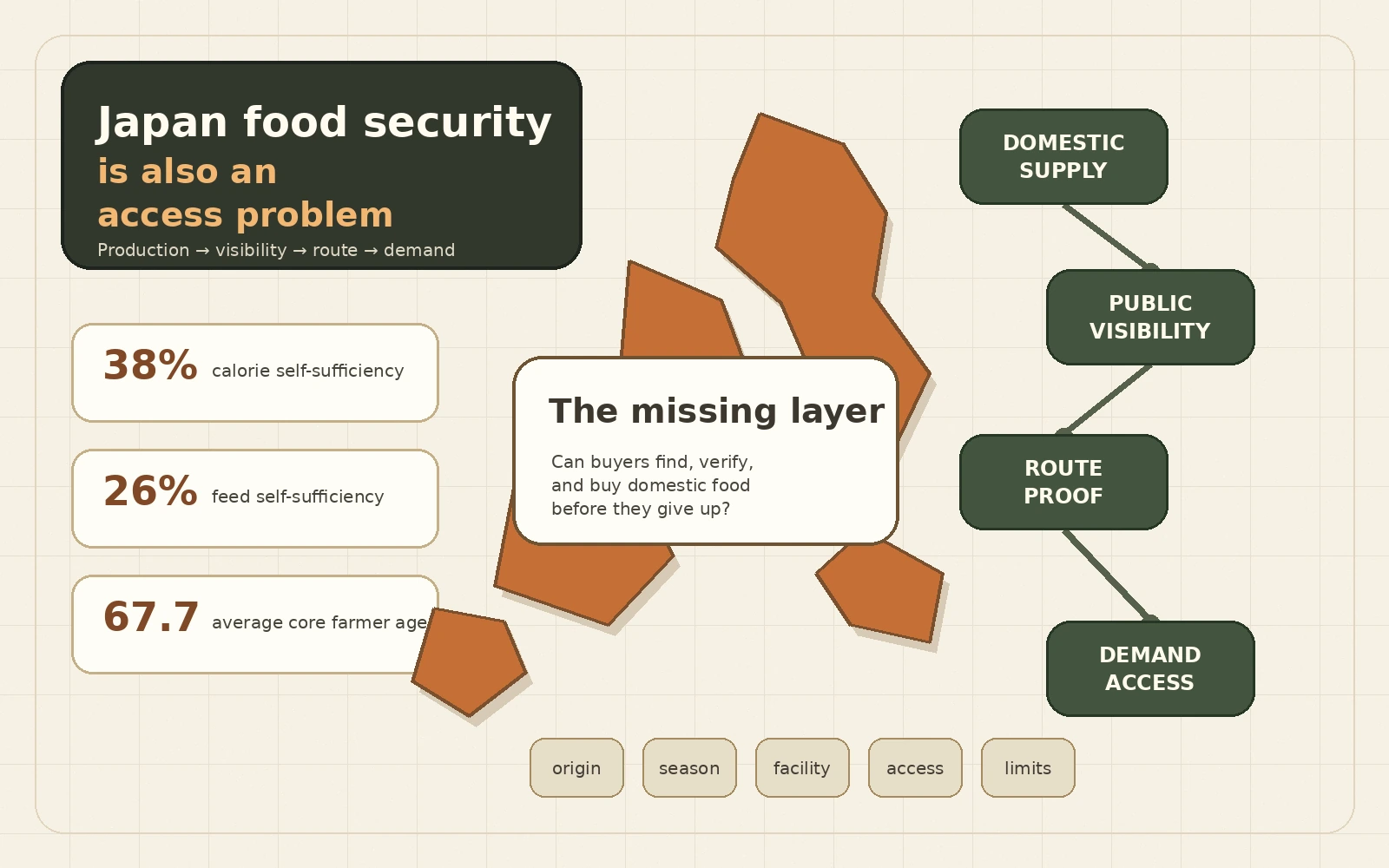
Japan’s food-security debate usually starts with production, imports, and farmland. Those matter, but buyers also need a clearer route to find, verify, and buy domestic food that already exists.
Read article
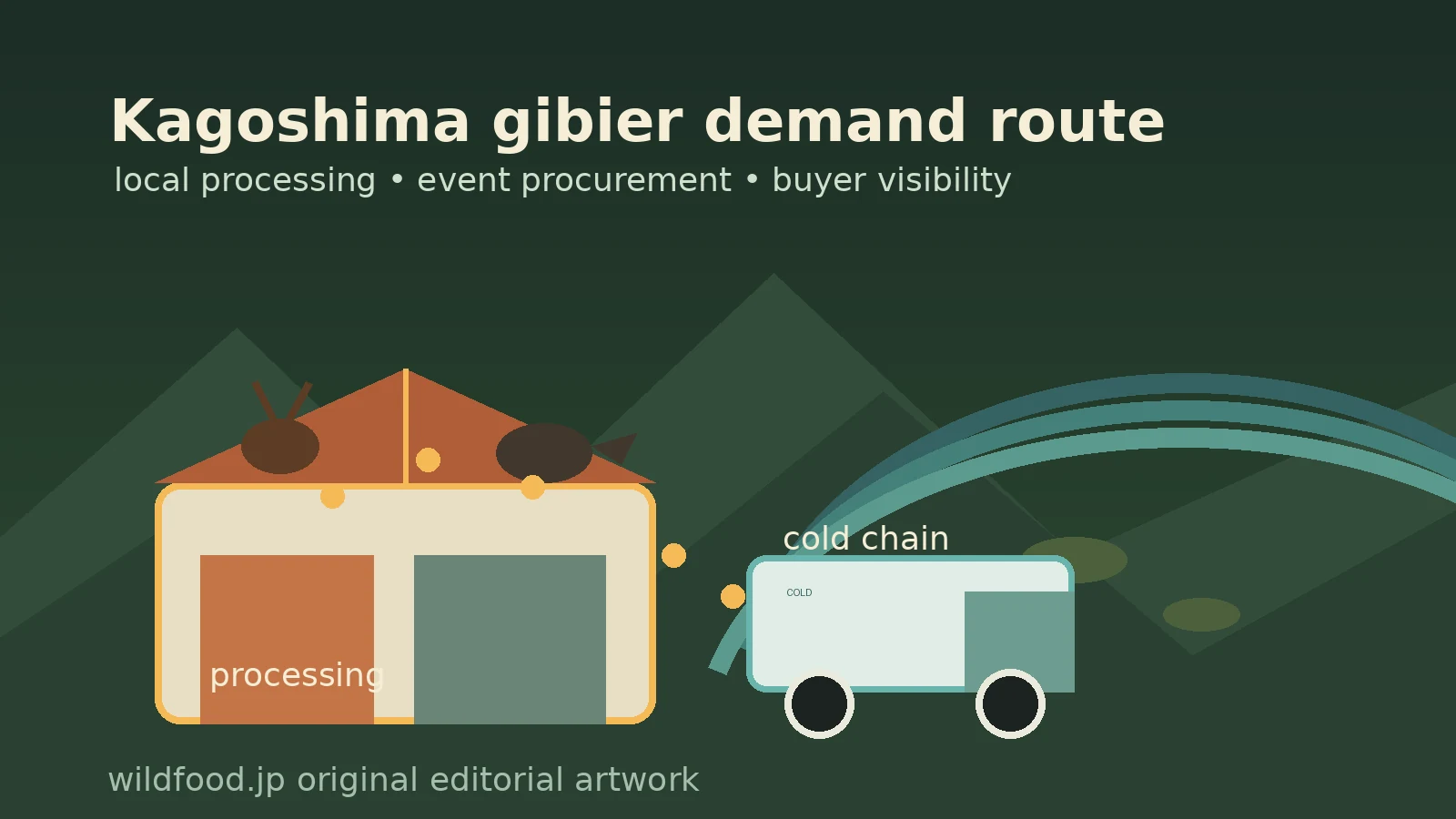
Kagoshima Prefecture’s May 2026 call for a gibier demand-expansion contractor is small on paper, but it names the real work: stable processing facilities, local deer and boar procurement, events, surveys, and buyer awareness.
Read article
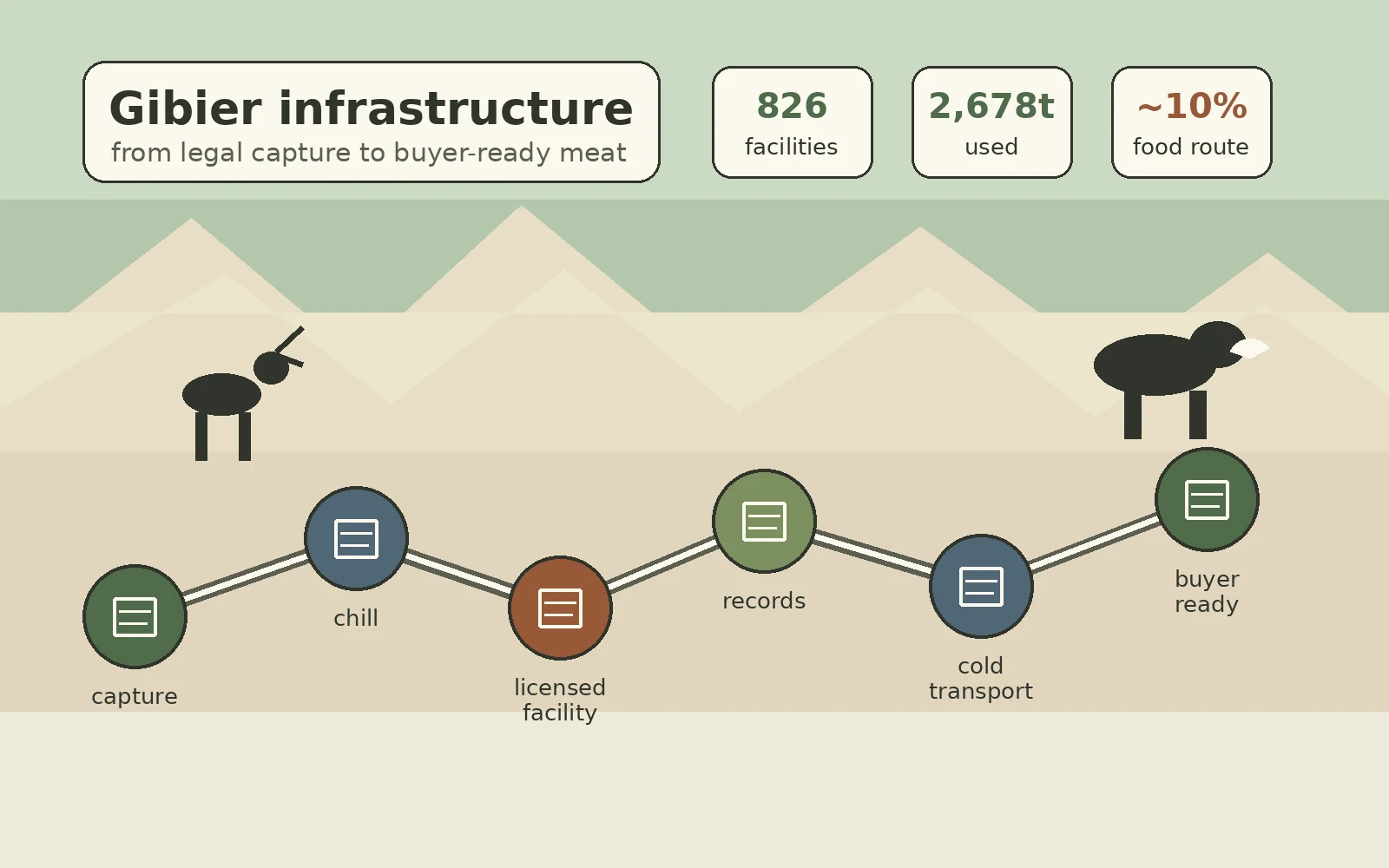
MAFF’s June 2026 materials put useful numbers on the gap: 826 processing facilities, 2,678 tons of use, and still only about one in ten captured deer and boar entering formal gibier routes.
Read article
Okayama Prefecture’s June 19 call for proposals is not a glamorous food story. It is a useful look at the work behind a serious gibier fair: restaurants, permitted suppliers, web infrastructure, advertising, shop materials, and consumer feedback.
Read article
Wakayama Prefecture’s June 18 call for restaurants shows the useful side of a gibier fair: licensed meat, seasonal demand, restaurant communication, and waste reduction after capture.
Read article
Salt is not background. Texture, grain size, moisture, bitterness, sweetness, and when the salt touches the food can change grilled meat, mushrooms, rice, vegetables, fish, and tea pairings.
Read article
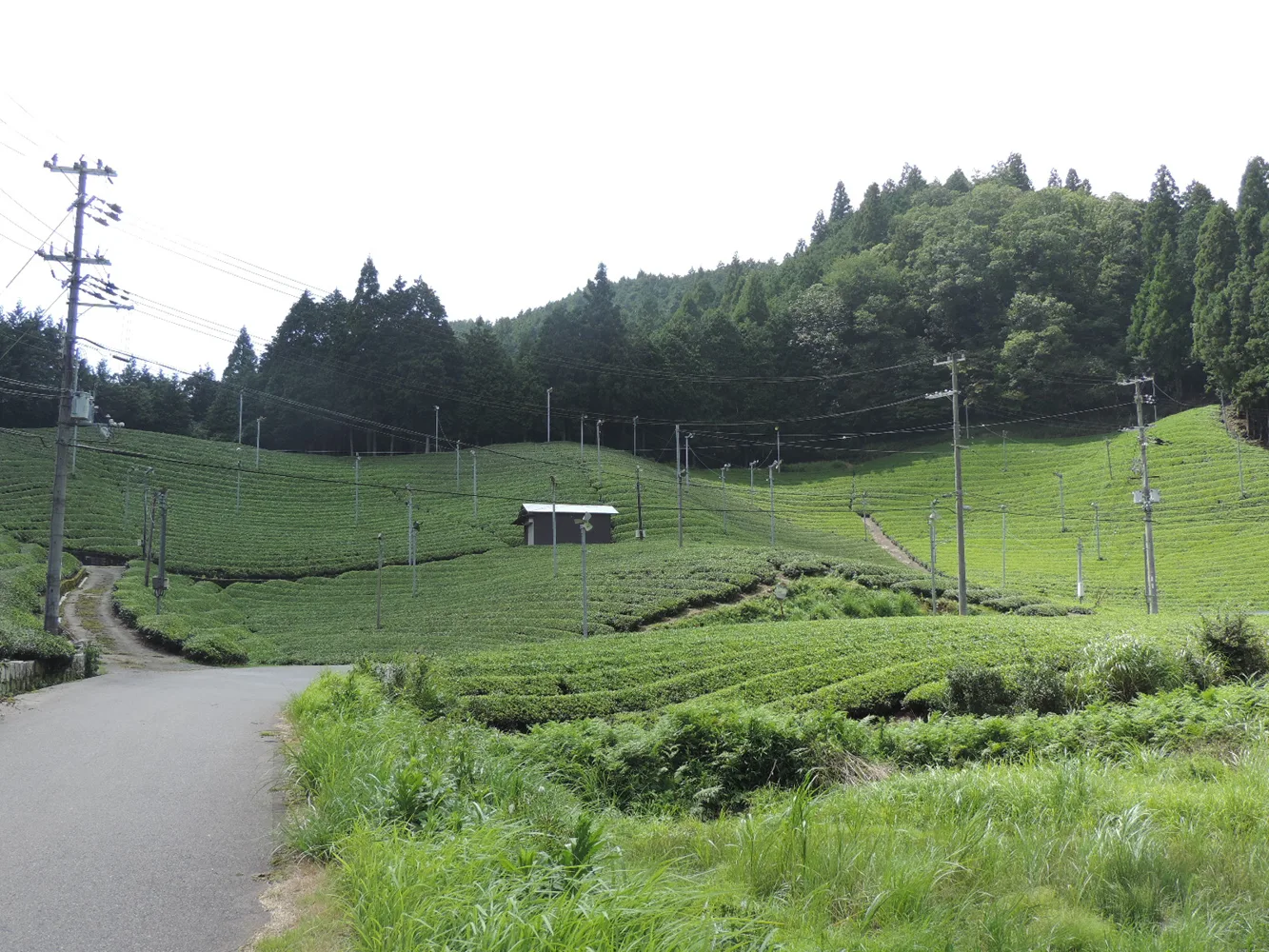
Kanigawa Seicha’s limited Shibuya appearance points to a more useful story: Nago, Yanbaru climate, postwar tea planting, cultivar choices, and black tea read as a place product.
Read article
A Tsuruoka bear injury during Gassan bamboo-shoot gathering shows why warnings, field behavior, response teams, cold chain, inspection, and disposal plans all have to exist before an incident.
Read article
A confirmed bear injury in Hanamaki shows why local warnings need to be backed by reporting routes, hunter coordination, processing decisions, cold chain, and clear public communication.
Read article
The June 2026 Karuizawa fermentation event has a good practical frame: Nagano wine, cheese, pickles, miso, sake, soy sauce, workshops, and plates people can taste rather than just admire.
Read article
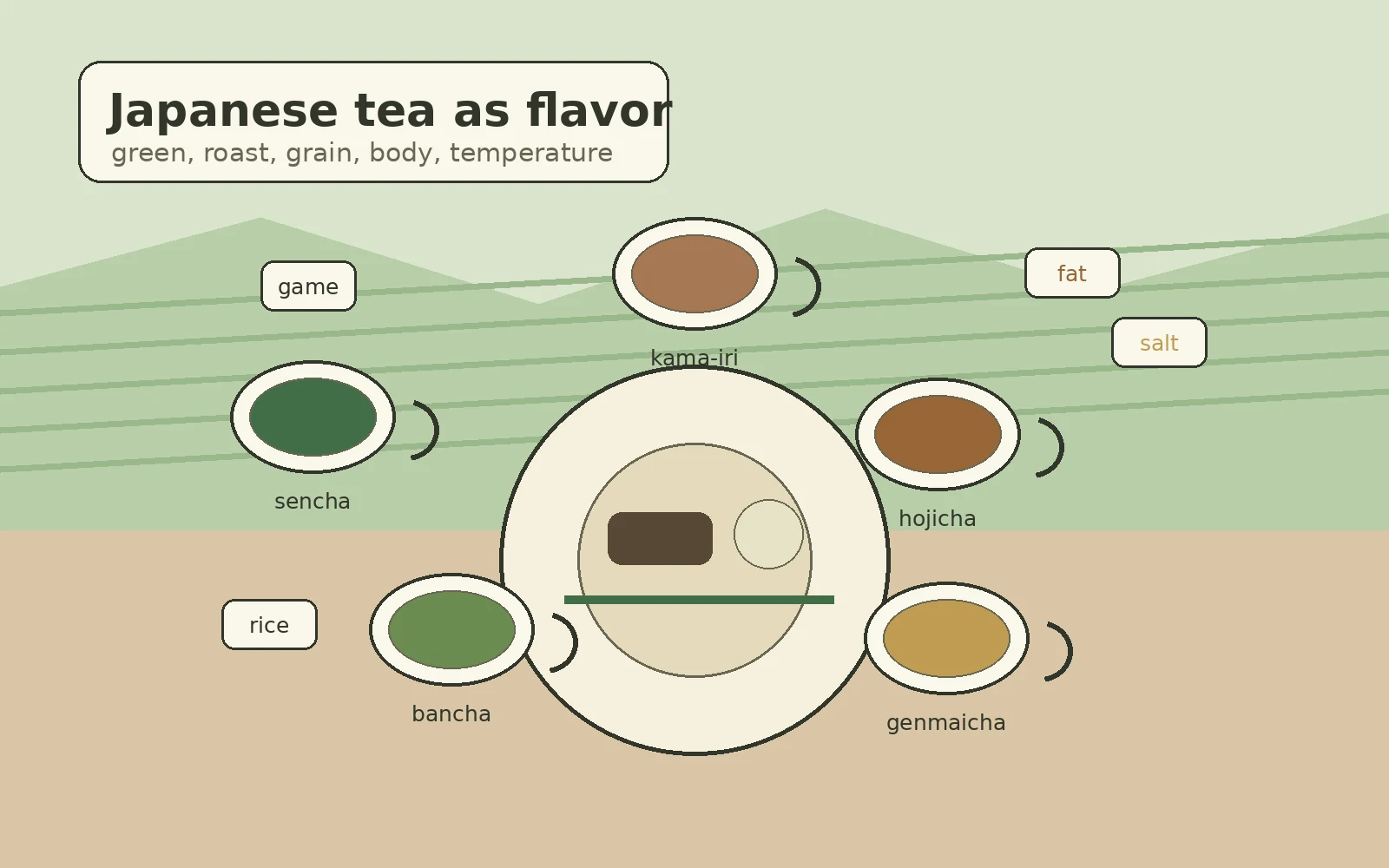
Japanese tea is easier to use with food when it is treated as flavor architecture: bitterness, sweetness, roast, aroma, body, temperature, and what the cup does next to fat, salt, rice, vegetables, fish, or game.
Read article
A new deer and boar processing facility in Kuma Village points to the practical middle of wild meat: licensed intake, hygiene, cold chain, traceability, and buyers who know what to ask.
Read article
Four injuries, a bear inside an industrial site, traffic controls, schools, police, fire, city staff, prefectural staff, hunters, and companies: Sasakino shows wildlife response is an infrastructure problem.
Read article
Japanese gibier is a category, not one ingredient. Deer, boar, bear, and game birds all raise different questions about safety, season, processing, cooking, and whether food use is appropriate at all.
Read article
Yurihonjo's farm-edge bear injury shows why rural wildlife response has to connect warnings, licensed responders, inspection, cold chain, traceability, and honest limits on food use.
Read article
Rare is not enough. A product has to arrive, fit the kitchen, earn a place on the menu, and be simple enough for staff to explain.
Read article
A September-to-November Karuizawa lunch built around miso, koji, mushrooms, venison, matsutake, fruit, and Nagano wine is a good reminder that fermentation is most useful when it explains place and handling, not just mood.
Read article
Wild boar is not just rustic pork. Fat, season, sex, feed, processing, and cooking style all matter, and the best use starts with asking what kind of boar meat you are actually buying.
Read article
Fukushima and Akita cases point to the same practical layer: wildlife management needs licensed response, inspection, cold chain, local processing capacity, and restraint in how food use is discussed.
Read article
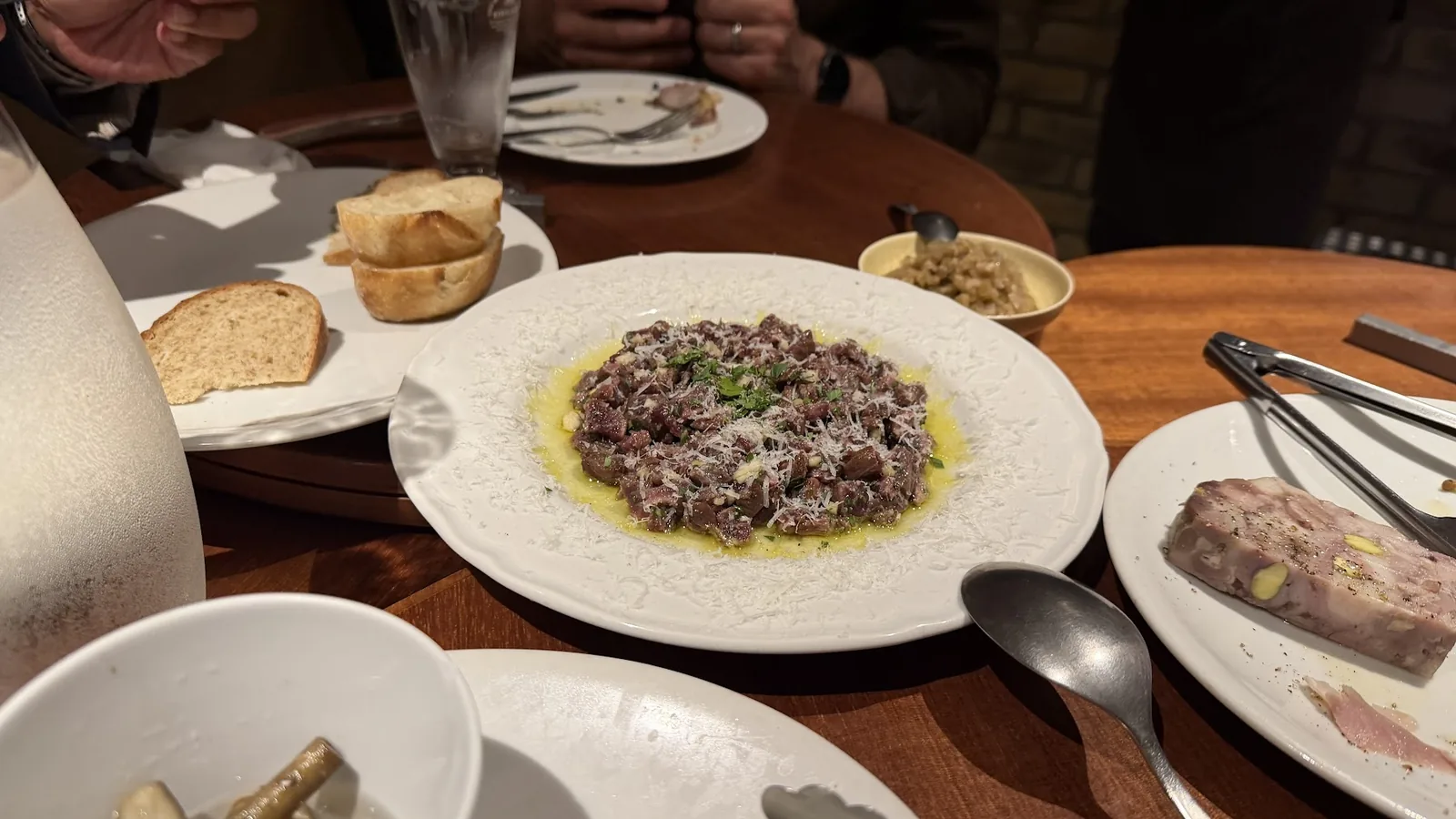
Japanese venison can be lean, clean, and useful when handled well. The buying questions are cut, age, fat, processing, freezing, and a cooking plan that respects how little margin lean meat has.
Read article
A June Nagoya hotel event built around Ise Tea mirume, producer teas, hojicha, and a meal shows the practical side of Japanese tea: origin, service temperature, pairing, staff language, and what a buyer can test.
Read article
Gibier is not just wild meat with a nicer name. For restaurants and serious home buyers in Japan, the useful question is whether the animal moved through legal capture, hygienic processing, cold chain, and clear cooking guidance.
Read article
A 2026 Hiroshima zairai tea from the Sera area gives a better angle on shincha: place, seed-grown plant material, processing choices, and brewing notes buyers can actually test.
Read article
A new Handa City coaching program asks local shops and food makers to turn vinegar, sake, miso, tamari, menus, products, and visitor experiences into something people can actually buy and understand.
Read article
The May 11 Japan Tea Central Association briefing and MAFF’s GI application page make the useful point: protection only matters if buyers can connect the words Japanese Tea to production, route, and proof.
Read article
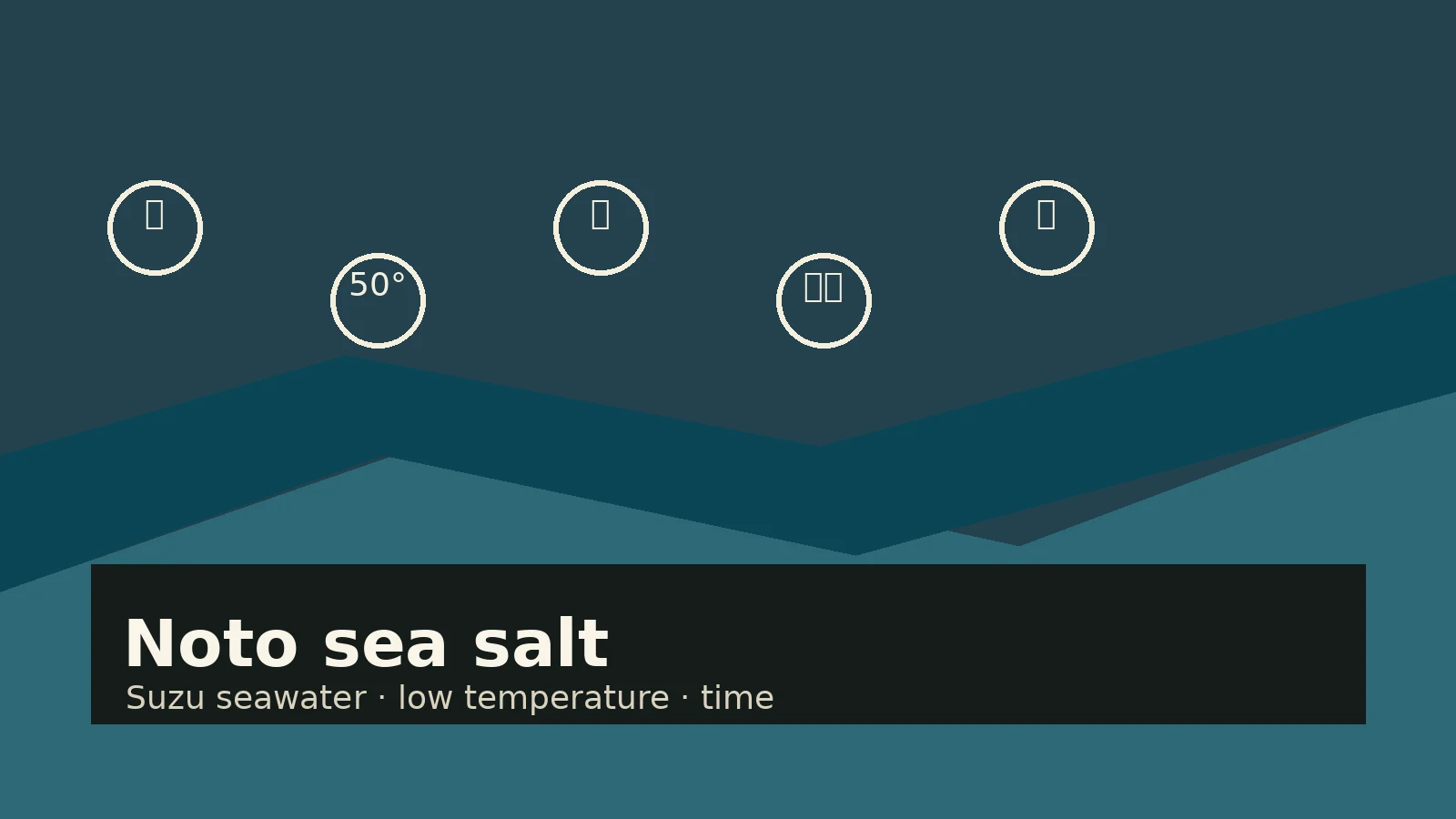
Noto Seien’s Suzu workshop describes a non-direct-fire process: seawater held around 50°C, roughly six days of concentration and crystallization, and about 80 kg of salt from three tonnes of source water.
Read articleSend the article, region, product, or buyer decision you are working on. A free inquiry checks fit; the paid session works through one concrete decision.