Types of Japanese gibier
Japanese gibier is a category, not one ingredient. Deer, boar, bear, and game birds all raise different questions about safety, season, processing, cooking, and whether food use is appropriate at all.
By Matt Ketchum, founder and editor
Short answer
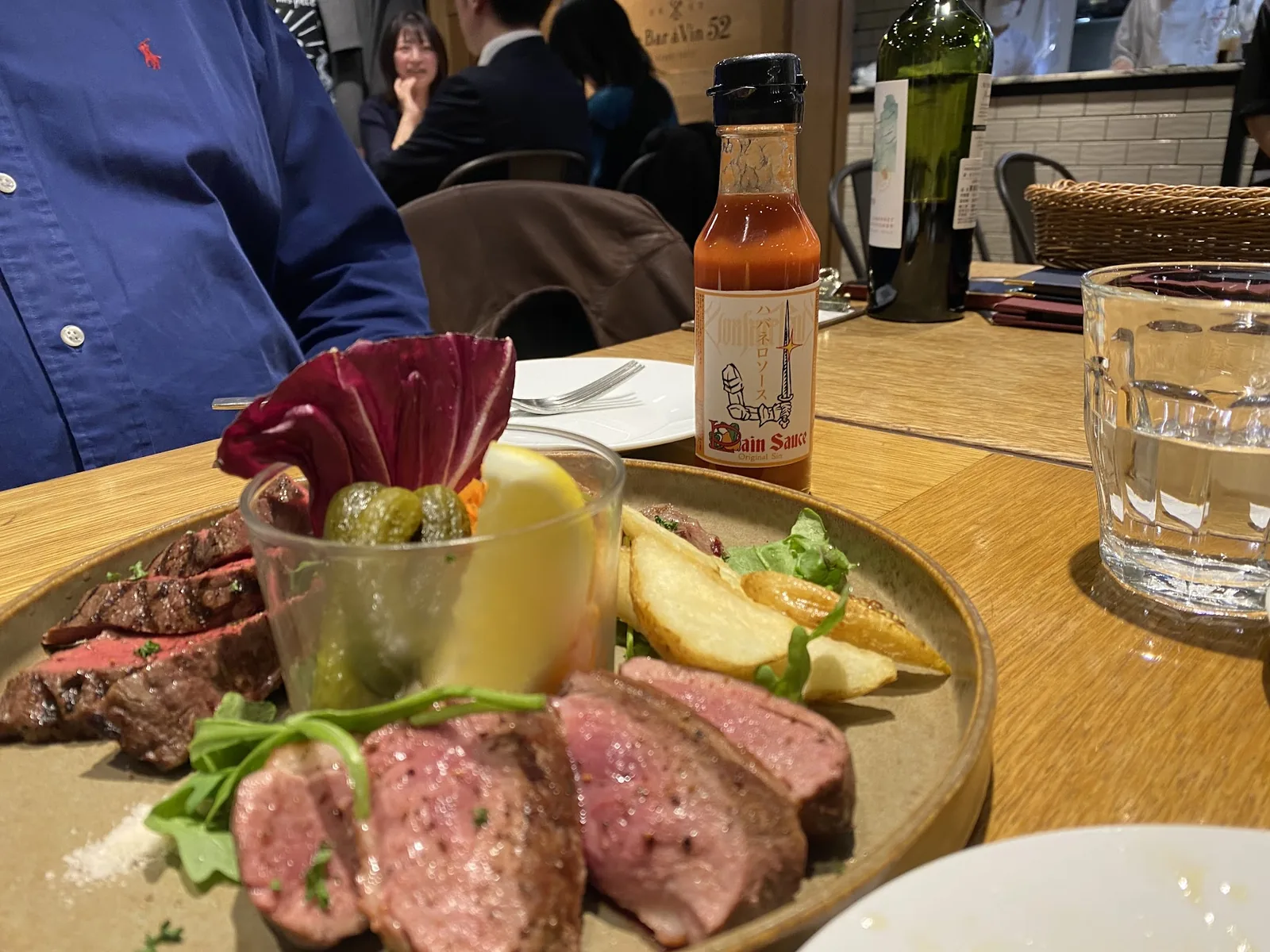
Japanese gibier is a category, not one ingredient, and two species dominate it: sika deer and wild boar, with about 740,000 and 640,000 captured in FY2024 according to MAFF. Deer is lean and iron-forward; boar carries more fat and collagen. A third animal, kyon (Reeves’s muntjac), is a designated invasive species culled on Izu Oshima and in central and southern Chiba, and some processors now sell it by cut. Bear and game birds such as wild duck are also hunted and eaten, but they raise separate safety and legal questions: MHLW’s hygiene guideline was written with deer and boar in mind, and bear meat has caused trichinella food poisoning in Japan. Gibier is not only a winter product. The general hunting season runs from 15 November to 15 February (1 October to 31 January in Hokkaido), but most deer and boar are captured year-round under damage-prevention permits.
How do Japanese gibier species compare?
Deer, boar, kyon, bear, and game birds are not one interchangeable wild-food mood. Each animal needs its own route: lawful capture, appropriate inspection and processing, clear storage, and a cooking method that fits the meat.
| Animal | Japanese | Where it comes from | Flavor and texture | Typical use |
|---|---|---|---|---|
| Sika deer | シカ(ニホンジカ、北海道はエゾシカ) | Most of Japan; about 740,000 captured in FY2024 | Lean, fine-grained, iron-forward | Loin and leg for roasting; shoulder and trim for braise, mince, sausage |
| Wild boar | イノシシ | Honshu, Shikoku, Kyushu, and Okinawa, not Hokkaido; about 640,000 captured in FY2024 | Fat and collagen, sweeter when fat cover is good | Botan nabe slices; belly and shoulder for braise; mince and sausage |
| Kyon | キョン | Invasive; Izu Oshima and central and southern Chiba | Small deer with fine-grained lean meat | Sold by individual cut from some processors |
| Bear | クマ(ツキノワグマ、ヒグマ) | Mountain regions and Hokkaido; limited supply | Rich fat and strong flavor | Specialist use only; trichinella risk demands full cooking |
| Game birds | カモ、キジなど | Hunting-season capture | Varies by species | Specialist restaurants; separate handling questions |
When is Japanese gibier in season?
The Ministry of the Environment sets the general hunting season at 15 November to 15 February, and 1 October to 31 January in Hokkaido. That is the season people picture, and cooks often prize boar from late autumn into winter, when fat cover tends to be thicker.
Supply does not stop in spring. MAFF’s data shows most deer and boar are captured under damage-prevention permits, which operate outside the hunting season, and good processors freeze product for year-round sale. Ask when the animal was processed, not only what month it is.
Which gibier needs extra caution?
Bear sits at the edge of the category. MHLW’s hygiene guideline was written with boar and deer in mind, and MHLW has issued notices on trichinella food poisoning from bear meat, including a 2016 case. Bear is for specialists who can document the route and cook it fully.
Region matters too. MAFF’s June 2026 briefing lists shipment restrictions or partial restrictions on wild game meat in 10 prefectures as of 12 December 2025, and classical swine fever protocols shape where boar can be processed. A serious gibier guide has to say no sometimes: some animals are not suitable for food, some routes are not transparent enough, and some products do not give buyers enough information. That is the condition that makes responsible gibier possible.
Go deeper
- What gibier means in Japan: Gibier guide
- Japanese venison flavor and use: Ingredient guide
- Japanese wild boar flavor: Ingredient guide
Sources and further reading
- Recent situation around utilization of captured wildlife as gibier, June 2026: Ministry of Agriculture, Forestry and Fisheries (JA)
- MHLW gibier hygiene management guidance: Ministry of Health, Labour and Welfare (JA)
- Outline of the hunting system: Ministry of the Environment (JA)
- Kyon control measures: Tokyo Metropolitan Government Bureau of Environment (JA)
- Designated invasive species: kyon: Chiba Prefecture (JA)
Need a sourcing check?
Send the specific context behind your decision. A free inquiry checks fit; the paid sourcing assessment works through one concrete question.