Why Wild Food Japan exists
Wild Food Japan grew out of work that kept putting me between rural producers, hospitality businesses, and people who wanted a more direct connection to Japan's regional food culture.
Through rural real-estate work, I travel across rural Japan often. On those trips I eat at local restaurants, meet people in the community, and get introduced to hunters, butchers, growers, and processors. The origin is often clear on the ground. The same products are still hard to find, buy, or explain once you leave the place they come from. That is a food-access problem.
Through Kaala and Music in Japan, I have also worked with creators who make strong products but struggle to get them into the hands of a reachable market. The problem is rarely quality alone. It is the offer, the explanation, the purchase route, the relationship, and the follow-up that keeps an order repeatable.
jacamp.com showed the demand side from another angle. Campers want to barbecue, and many are motivated to buy local meat, vegetables, and prepared foods near where they stay. Even motivated buyers still have trouble finding what is actually available nearby and how to buy it.
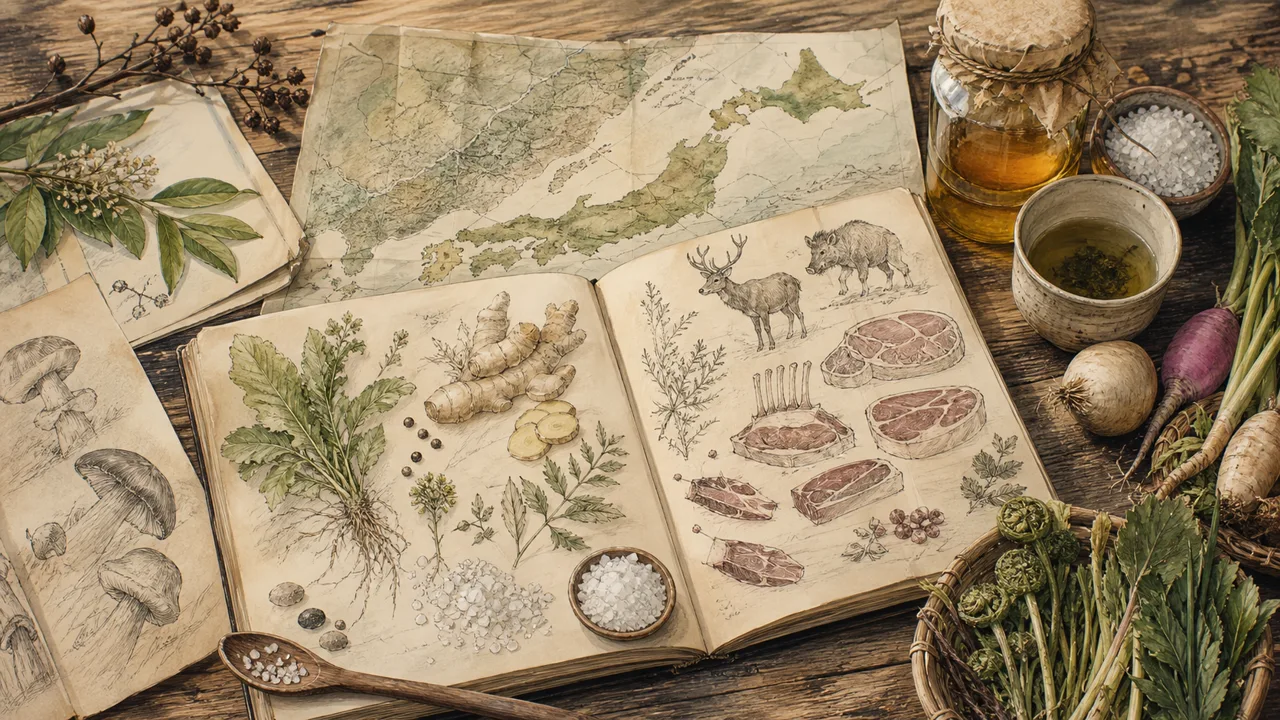
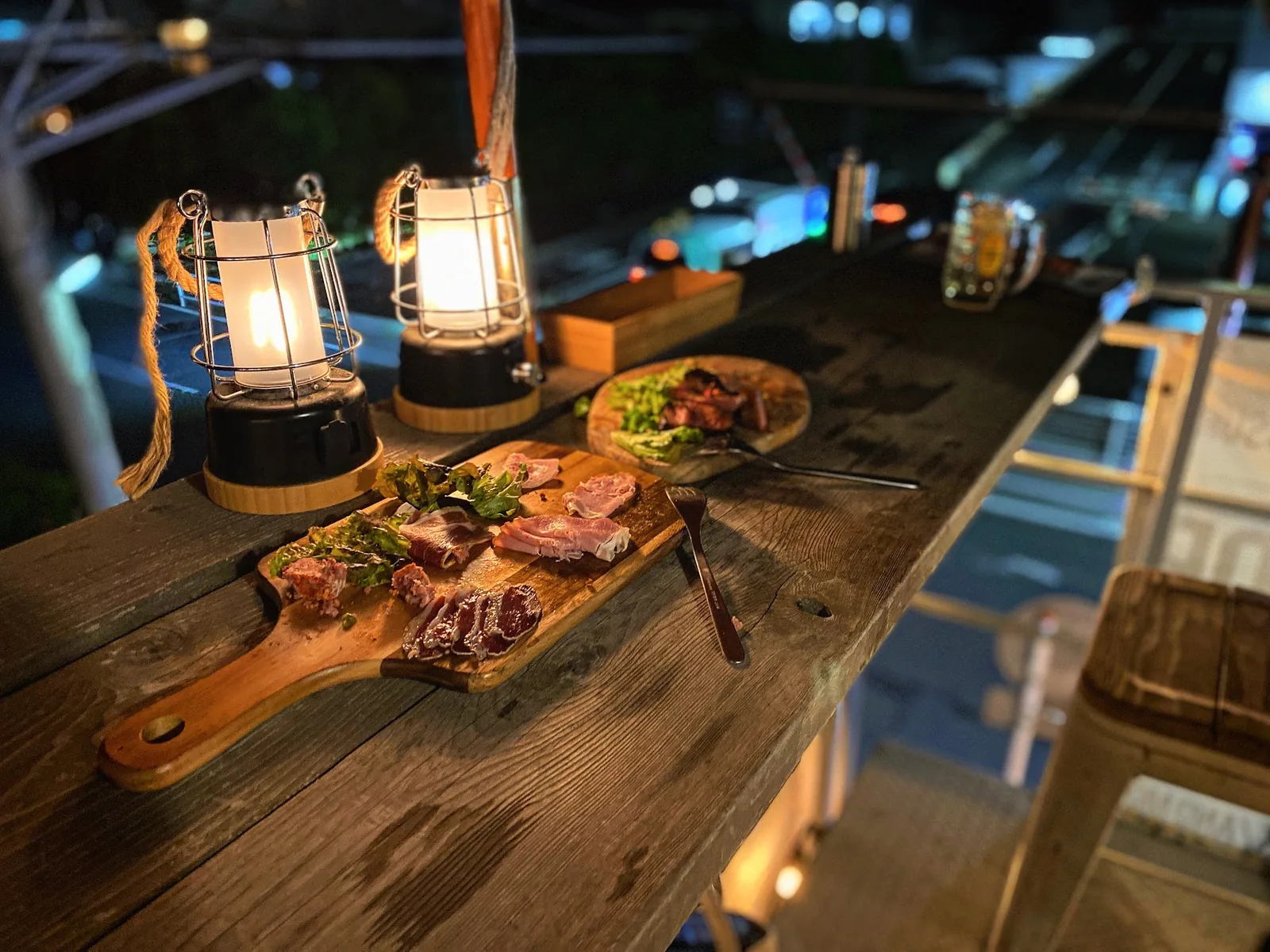
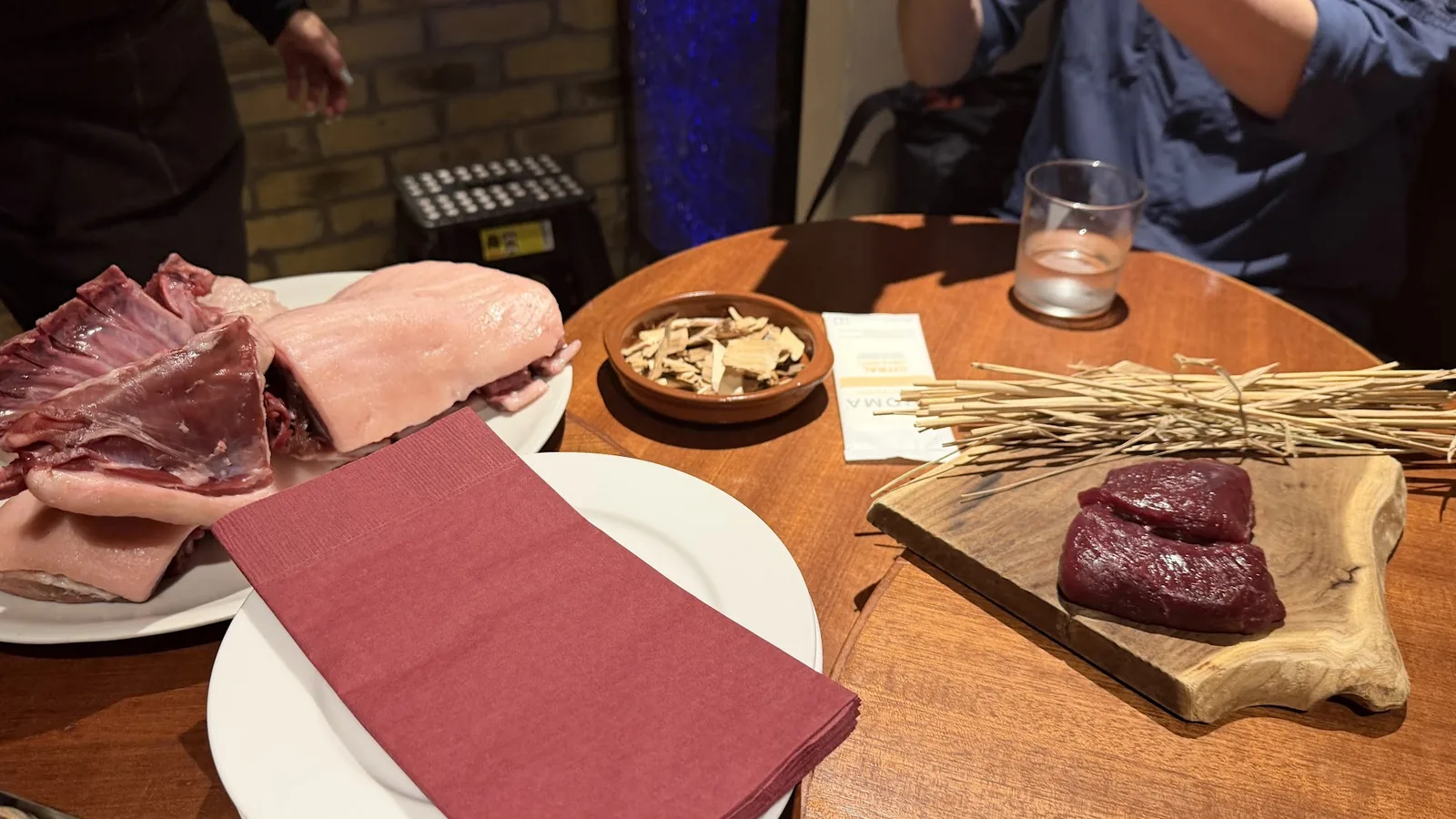
Private dinners in Tokyo and elsewhere made the same demand visible. Menus built around salt-fermented local produce, fermented drinks using Japanese teas, ginger, and honey, and wild meat from rural routes showed that people pay attention when origin, method, and history can be explained.
Wild Food Japan exists to make that pattern useful: connect local supply with buyers who are ready for it, then do the relationship, copy, search, and ordering work that makes the connection last. Provenance, new flavors a kitchen can actually serve, and more resilient domestic supply are parts of the same job.
Wild Food Japan was founded in 2026 and is based in Tokyo.
Matt Ketchum, founder and editor, Wild Food Japan
How I work
- •I do not share contacts, prices, capacity, or private notes without checking the right boundaries.
- •Local products need a real buying path: season, lead time, ordering, documents, samples, and follow-up.
- •The source story has to be findable and believable, or it stays stuck where it started.
Related work
These projects sit behind the way Wild Food Japan thinks and works.
Akiyaz
Rural property work and field research across Japan.
JaCamp
Camping demand, regional trip planning, and buyers looking for local food near where they stay.
Kaala Music
Long-running work with local creators and hard-to-access cultural scenes.
Music in Japan
A public site for making a fragmented local scene easier to find and understand.
Japan Real Estate Summit video
A presentation on Akiyaz and making rural real-estate information easier to read.
Kaala documentary video
A window into the underground music work that shaped the creator-side perspective.