Ise tea beside food
A June Nagoya hotel event built around Ise Tea mirume, producer teas, hojicha, and a meal shows the practical side of Japanese tea: origin, service temperature, pairing, staff language, and what a buyer can test.
By Matt Ketchum, founder and editor
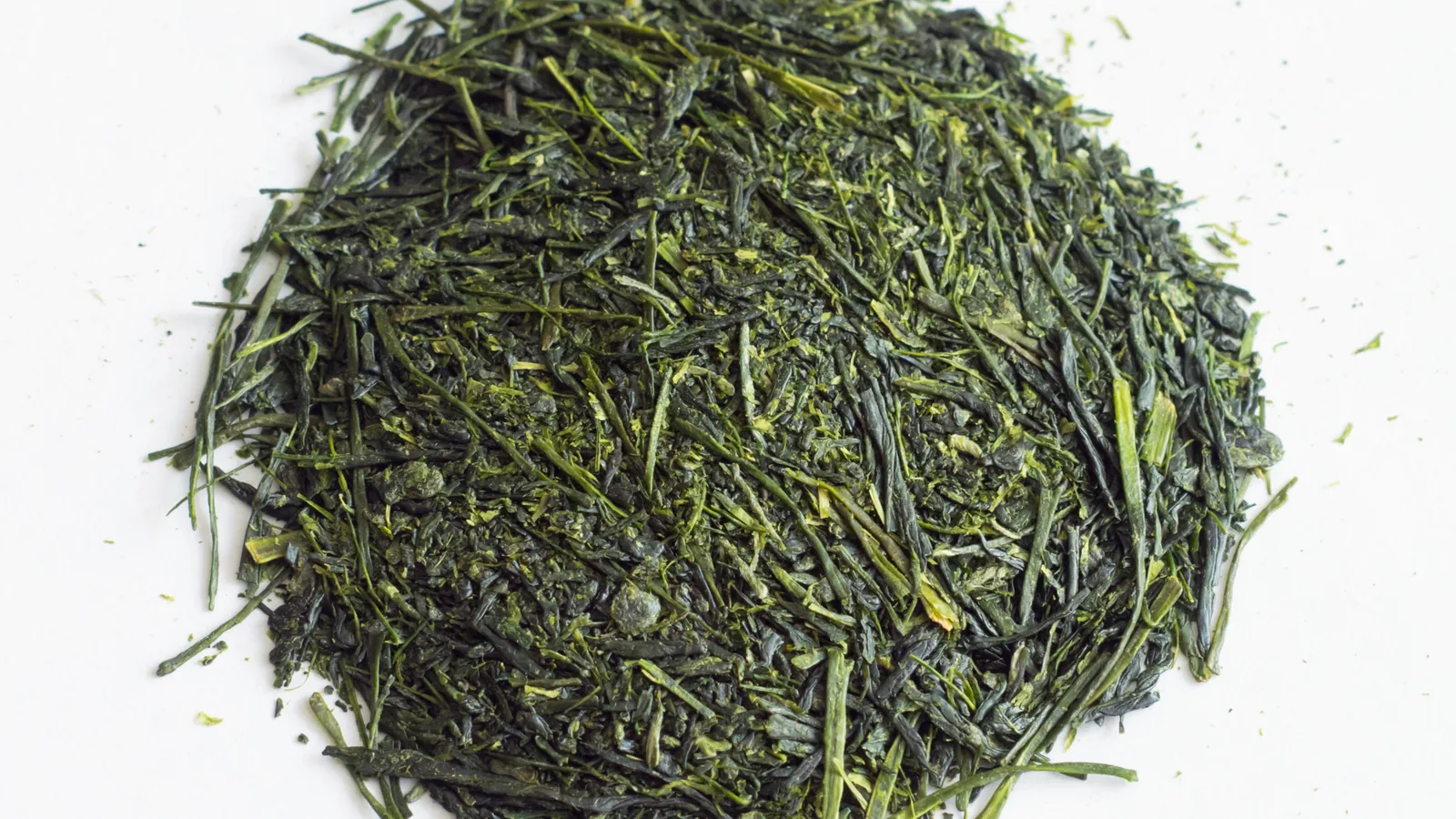
Image credit: 2017 Kagoshima sencha by Difference engine, CC BY-SA 4.0
Why is this a service story?
The useful detail in the May 28 release is not that a hotel in Nagoya is doing another seasonal collaboration. It is that the June 22 event puts Japanese tea into service: five shincha, five hojicha, a tasting, an origin-guessing game, and a course that uses tea next to food rather than leaving it as a boxed gift on a shelf.
The event is tied to Ise Tea mirume and names several award-winning producers in the tasting lineup, including Mie’s Fukamidori Chabo. That makes it a better tea story than a generic shincha announcement. There are producers, processing styles, a room where staff have to explain the cup, and dishes where the tea either works or it does not.
Why does Ise tea need the table?
Mie is one of Japan’s serious tea prefectures, and MAFF’s traditional-food entry frames Ise tea around the prefecture’s history, production areas, and local drinking culture. Mie Prefecture also promotes Ise tea as a regional agricultural product rather than as a vague wellness object.
That place context matters, but it still has to survive service. A guest can understand Ise tea faster when the cup sits beside kanpachi, vegetables, pork, rice, sweets, or a roasted course. Bitterness, aroma, roast, umami, temperature, and aftertaste become practical instead of poetic.
What can restaurants borrow from the event?
Restaurants do not need to copy the hotel event. The transferable part is the method: taste several teas side by side, serve them at controlled temperatures, write short staff notes, and test them against actual plates. Shincha and hojicha do different jobs. A cold brew, a warm cup, and a roasted tea can change the same dish in different ways.
The practical point is simple: regional tea becomes useful when origin, producer, processing, brewing, pairing, and buying route are visible. That is better than treating tea as decoration, health copy, or a seasonal word that expires when shincha season ends.
Go deeper
- Japanese tea flavor for food: Tea guide
- Hiroshima zairai tea: Tea note
- Useful wild food for restaurants: Field note
Sources and further reading
- Release on the Ise Tea mirume collaboration tea-tasting and lunch event in Nagoya: Best Bridal / PR TIMES (JA)
- MAFF traditional-food entry on Ise tea: Ministry of Agriculture, Forestry and Fisheries (JA)
- Mie Prefecture page: drink Ise tea: Mie Prefecture (JA)
Need a sourcing check?
Send the specific context behind your decision. A free inquiry checks fit; the paid sourcing assessment works through one concrete question.