Hiroshima zairai tea
A 2026 Hiroshima zairai tea from the Sera area gives a better angle on shincha: place, seed-grown plant material, processing choices, and brewing notes buyers can actually test.
By Matt Ketchum, founder and editor
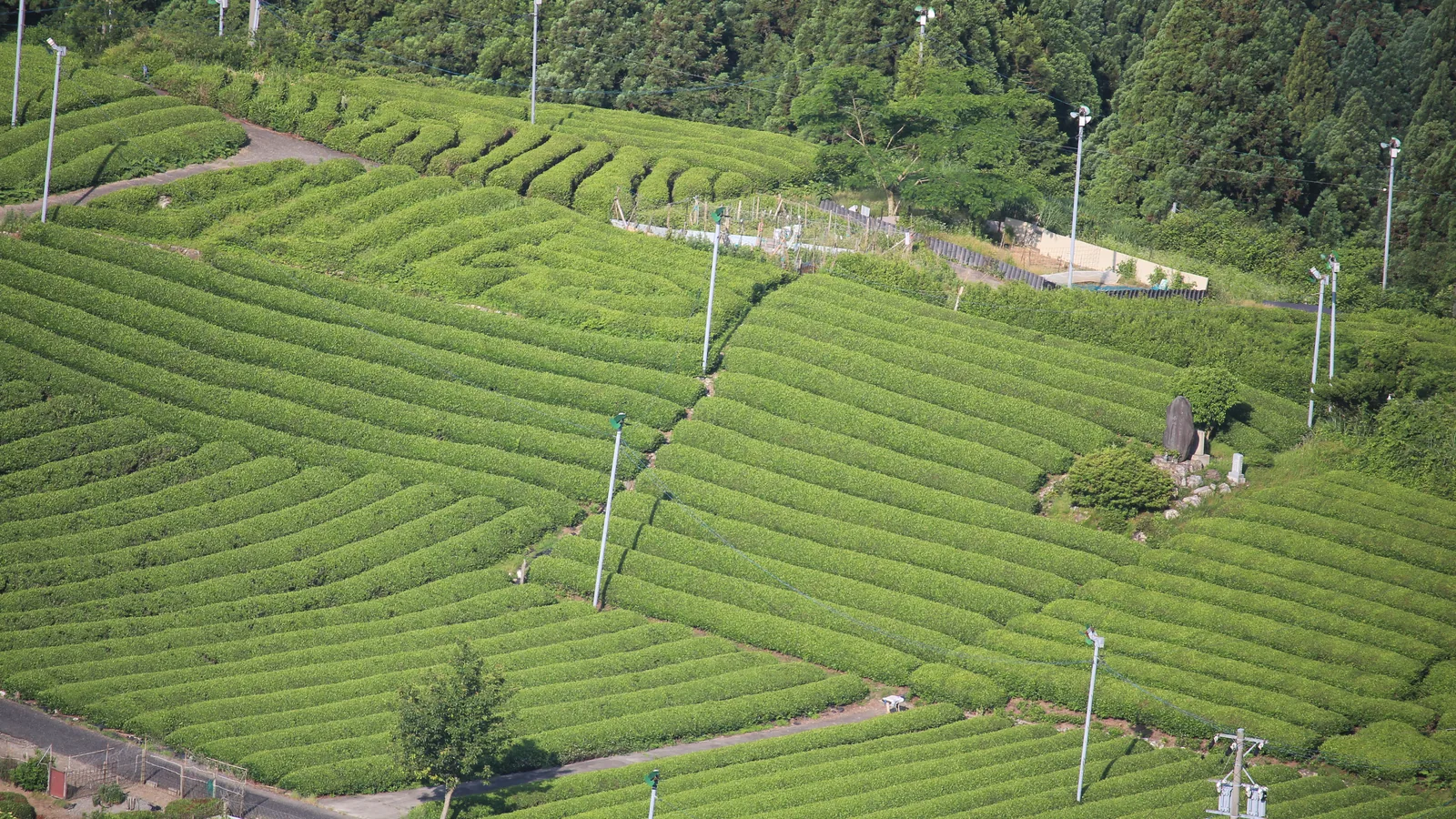
Image credit: Kamigare Tea plantation s3 by Alpsdake, CC BY-SA 4.0
Why does shincha need a place?
If shincha coverage feels repetitive, it is usually because the tea is being treated as a calendar event instead of a place. The more interesting question is not only whether it is new tea. It is whose field, what plant material, what processing choice, and what the producer wants a buyer to notice.
That is why TEA FACTORY GEN’s 2026 Hiroshima zairai teas are worth a closer look. The producer’s listing for Hiroshima zairai seicha says the leaves were harvested and processed in May 2026. It also says the tea uses withering before steaming, then avoids the normal sencha naming and calls the result seicha, a clear tea, because the target is not standard sencha identity.
What does zairai tea mean?
Zairai does not automatically mean better. It points to older seed-grown local tea material rather than a uniform modern cultivar block. That can be messy. It can be uneven. It can also make small teas more tied to a place.
Here the place is Hiroshima’s Sera area, with the producer also listing a Sera manufacturing site. A related 2026 kama-iri tea page describes old local tea trees in Sera and a pan-fired process connected to Chugoku mountain tea-making, adjusted for a cleaner aromatic style.
What does the product page tell buyers?
For buyers, the product page reads like a field note. The seicha listing gives hot-water parameters: 2g per 100ml, one minute for the first infusion, shorter second infusion, longer third infusion. The producer also suggests cold brewing 5g in 500ml overnight, then using hot water afterward for another extraction.
Those brewing notes say something about the tea. This is not wellness copy or vague tradition. It is Hiroshima origin, Sera context, May 2026 harvest and processing for the seicha, withering and steaming for one tea, kama-iri processing for another, and clear brewing directions. That is the information a buyer can actually check: place, process, and a cup that can be brewed again.
Go deeper
- Useful wild food for restaurants: Field note
- Kuma Village’s gibier plant: Gibier infrastructure
Sources and further reading
- 2026 natural-cultivation Hiroshima zairai seicha product page: TEA FACTORY GEN (JA)
- 2026 natural-cultivation Hiroshima zairai kama-iri tea product page: TEA FACTORY GEN (JA)
- Sera Town official website: Sera Town (JA)
- Sera tourism association: Sera Tourism Association (JA)
- MAFF tea information page: Ministry of Agriculture, Forestry and Fisheries (JA)
Need a sourcing check?
Send the specific context behind your decision. A free inquiry checks fit; the paid sourcing assessment works through one concrete question.