Akita bear incidents
Yurihonjo's farm-edge bear injury shows why rural wildlife response has to connect warnings, licensed responders, inspection, cold chain, traceability, and honest limits on food use.
By Matt Ketchum, founder and editor
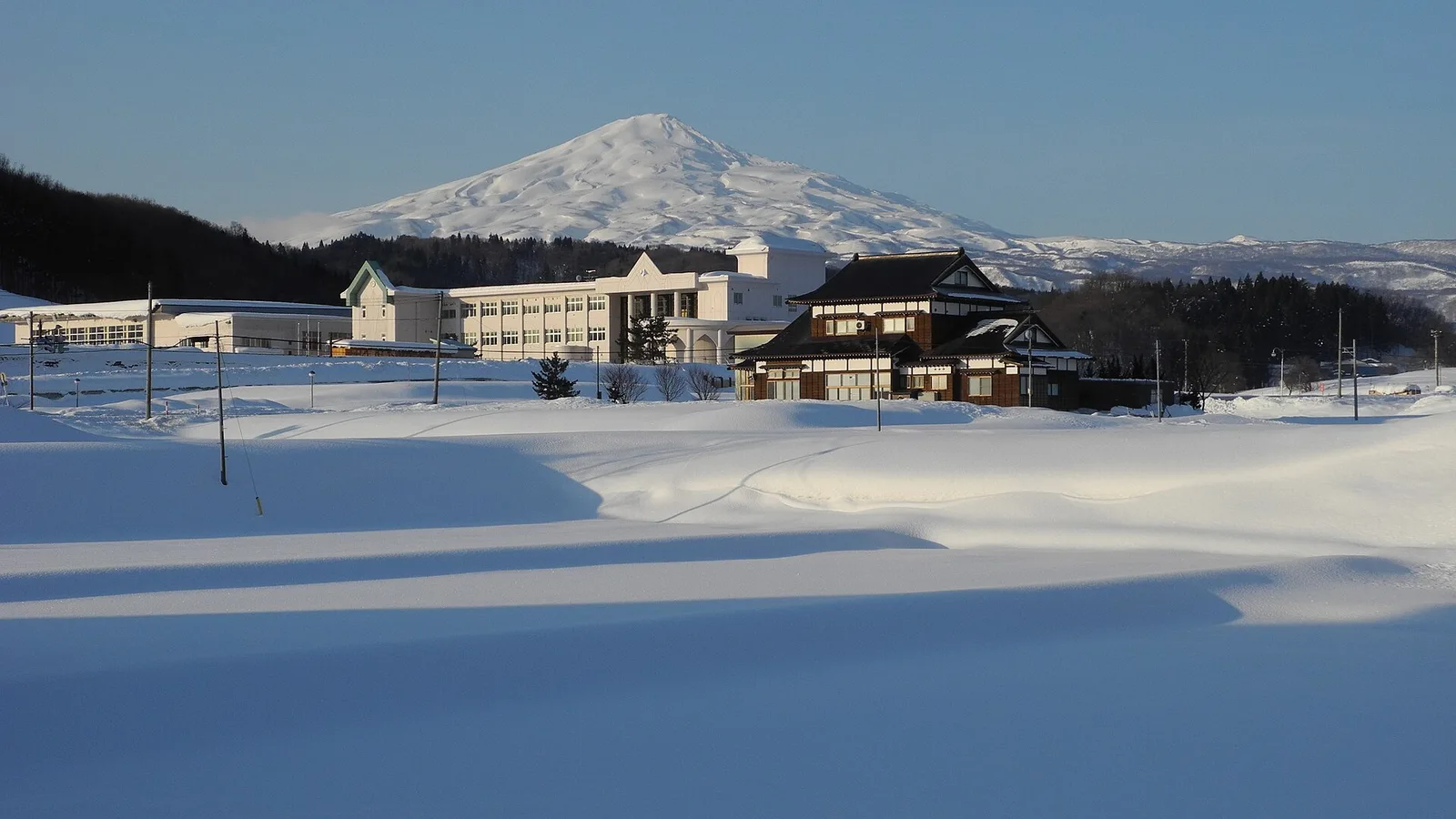
Image credit: Mt. Chokai and Chokai JHS by 掬茶, CC BY-SA 4.0
Are bears only a mountain problem?
Akita Prefecture's bear warnings and reported human-injury cases show a familiar rural pattern: ordinary work zones sit close to cover, food, and bear movement. A field, garden edge, shed, orchard, road, or home boundary can become the contact point.
Yurihonjo stretches from coastal and river lowlands into rural inland communities and the broader Chokai-area landscape. That mix means the response has to protect residents first, but it also touches farms, visitors, roadside facilities, fishing, camping, onsen drives, and mountain-food gathering.
What does a response plan need?
A warning poster is not an operating plan. Residents need to know where to report sightings, who verifies tracks, who can close a facility or road, and who coordinates with police, fire, city staff, prefecture, and licensed hunters.
When authorities decide that capture or dispatch is necessary, the next steps are already known: legal authority, safe field handling, rapid transport, processor intake, inspection, cold storage, traceability, and disposal when food use is not appropriate.
When can bear meat be used?
Bear meat is not ordinary inventory. Safe use depends on law, capture condition, contamination risk, time to chilling, parasite awareness, inspection discipline, and clear cooking guidance. Some animals are rejected. Some are disposed of.
Where use is legal and sanitary, though, wasting every legally handled animal is not a serious policy. Regulated utilization can reduce waste and make wildlife management more accountable, as long as it remains subordinate to prevention, public safety, and honest food-safety limits.
Go deeper
- Hanamaki bear attack: Wildlife response
- Bear incidents as infrastructure: Field note
- Useful wild food for restaurants: Field note
Sources and further reading
- Akita Sakigake report on the Yurihonjo bear injury: Akita Sakigake Shimpo (JA)
- Akita Prefecture bear information and response notices: Akita Prefecture (JA)
Related video / media
- Nippon TV News NNN video/report on the Yurihonjo injury: Nippon TV News NNN (JA)
Need a sourcing check?
Send the specific context behind your decision. A free inquiry checks fit; the paid sourcing assessment works through one concrete question.