Hanamaki bear attack
A confirmed bear injury in Hanamaki shows why local warnings need to be backed by reporting routes, hunter coordination, processing decisions, cold chain, and clear public communication.
By Matt Ketchum, founder and editor
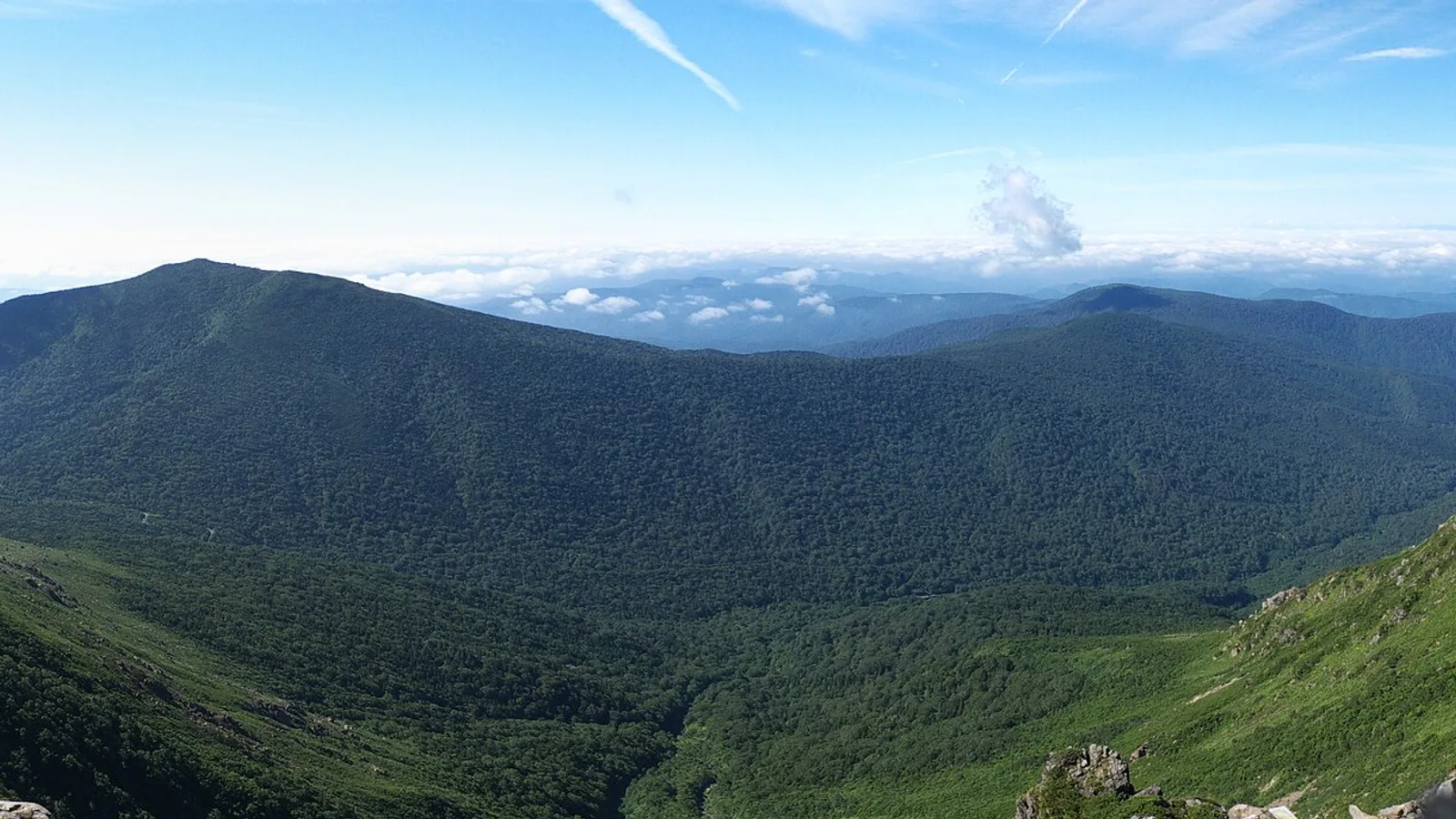
Image credit: Mount Yakushi seen from Mount Hayachine by Yasu, CC BY-SA 3.0
How does an injury change the question?
Recent reporting from Hanamaki described a woman injured after a bear attack. Even without treating every sighting as a crisis, a confirmed human-injury incident is different from background wildlife activity. It affects homes, farms, roads, workers, visitors, and the municipal systems expected to respond.
The first answer is public safety: avoid affected areas, follow municipal and police instructions, report sightings, secure garbage and food smells, manage fruit and crops that attract bears, and keep children, workers, hikers, and visitors informed.
What has to stand behind a warning?
Japan already has licensed hunters, hunting associations, prefectural wildlife departments, municipal officers, police coordination, and a growing wild-meat sector. The challenge is that these pieces are often unevenly connected at the moment when a fast decision is needed.
If an animal has to be removed, the community needs to know who can respond, who has authority, how roads and schools are handled, whether a carcass can be moved hygienically, and whether inspection and processing are possible. If those answers are missing, utilization becomes theory and disposal becomes the default.
Where is the practical middle ground?
Wild meat cannot solve bear conflict by itself. Bear management includes habitat conditions, mast cycles, abandoned farmland, unsecured waste, aging rural labor, and difficult judgments about where large wildlife can safely live beside farms and tourism areas.
But regulated wild meat infrastructure is still one practical part of the response: clear municipal playbooks, licensed capture capacity, sanitary handling, cold chain, traceability, buyer transparency, and honest rejection of animals that are not suitable for food.
The useful line is practical: not panic, not waste, not fantasy. Build local systems that let communities respond quickly, safely, and transparently.
Go deeper
- Gassan bear injury: Wildlife response
- Akita bear incidents: Wildlife response
- Useful wild food for restaurants: Field note
Sources and further reading
- News report on the Hanamaki bear attack after a woman got out of a car: TV Asahi / ANN (JA)
- Hanamaki City safety and living-information portal: Hanamaki City (JA)
Related video / media
- ANN page for the Hanamaki incident video and report: TV Asahi / ANN (JA)
Need a sourcing check?
Send the specific context behind your decision. A free inquiry checks fit; the paid sourcing assessment works through one concrete question.